This house is not a residence in the conventional sense.
It is an inhabited piece of architecture — shaped by earth, light, and sound.
ABOUT US
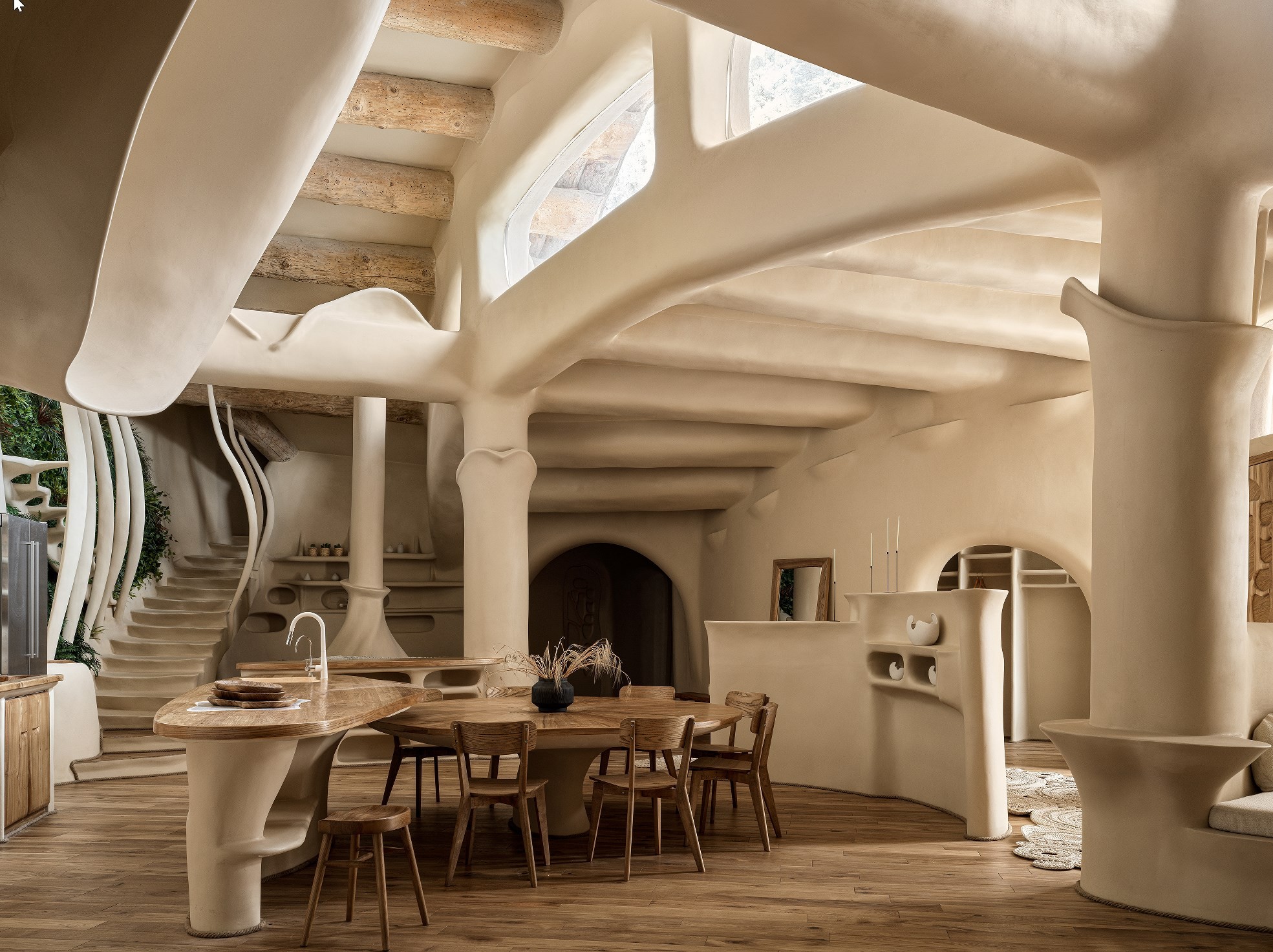
Built using the ancient cob technique — a mixture of clay, sand, straw, and water — the house emerges from the landscape as a continuous, living form. Its architecture has been featured in international design and architecture publications, including Architectural Digest and Architecture & Design, as an example of contemporary organic and sustainable design.
No sharp corners. No visual noise.
Every surface flows. Every wall curves. The structure feels less constructed than grown.
Architecture Without Separation
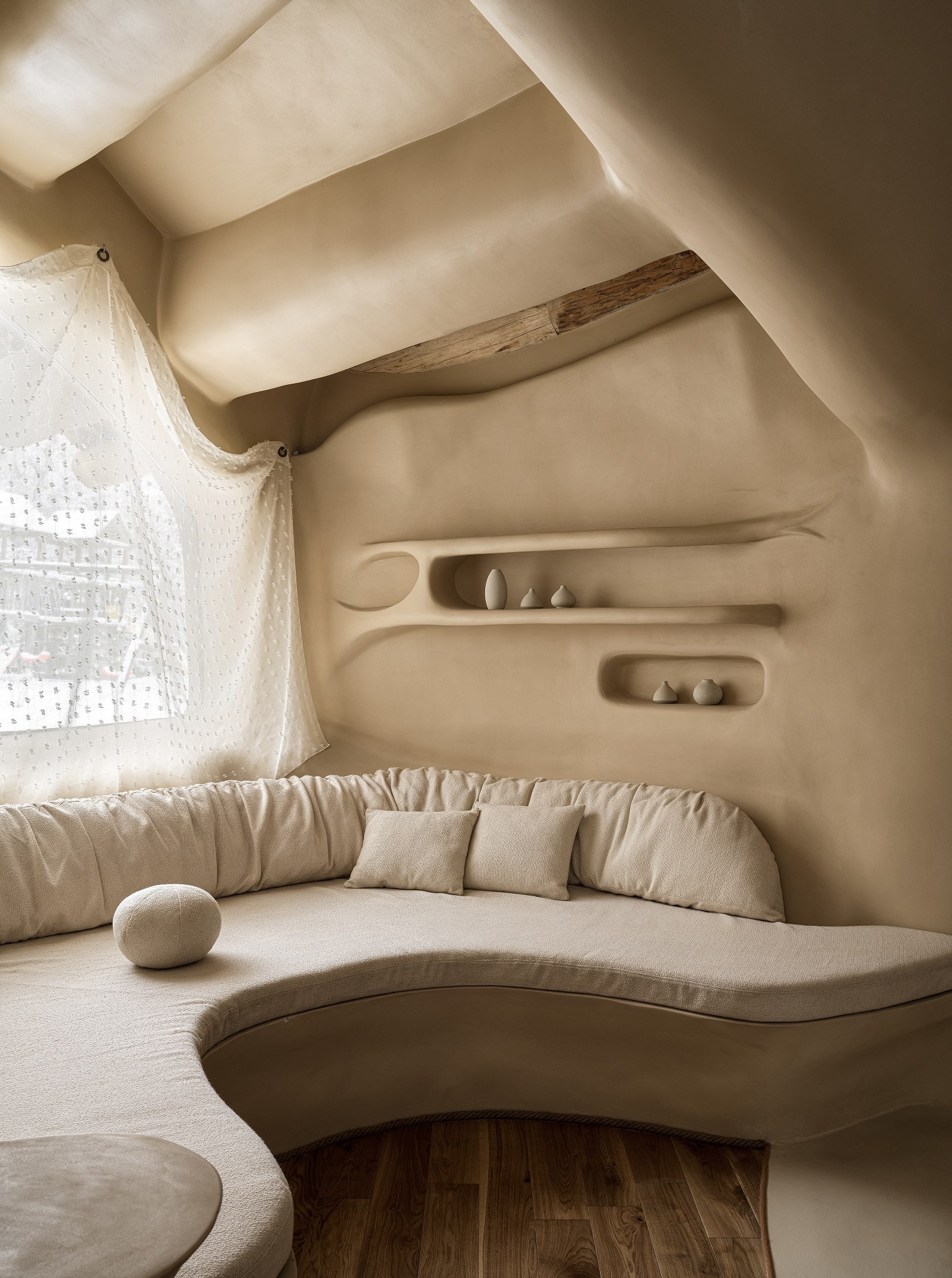
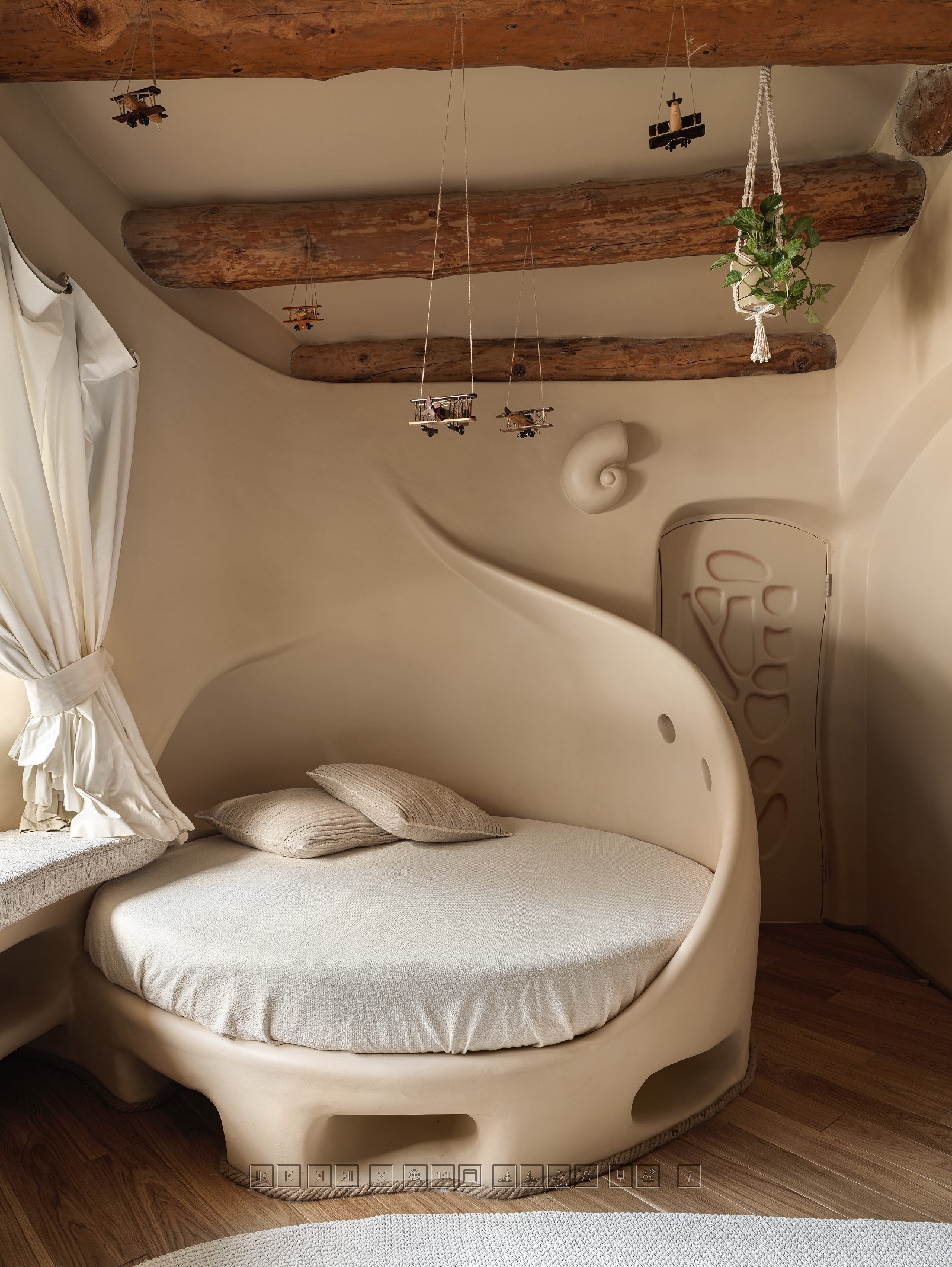
Walls, ceilings, furniture, and niches are formed from the same material — as if the house were carved from a single mass of earth.
The space unfolds organically: rooms transition without thresholds, light enters softly through curved openings and skylights, surfaces absorb and reflect sound naturally, without calculation or decoration.
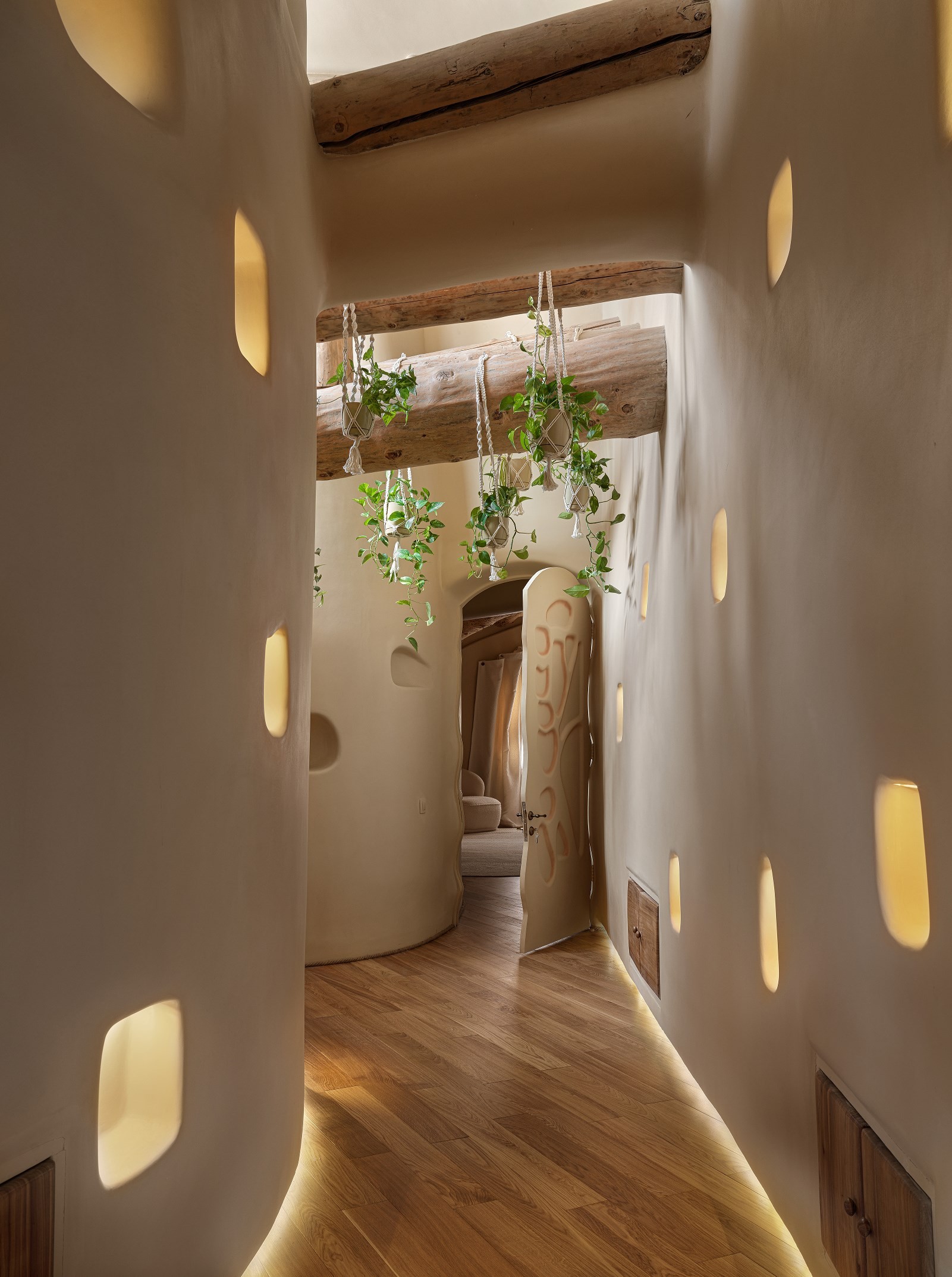

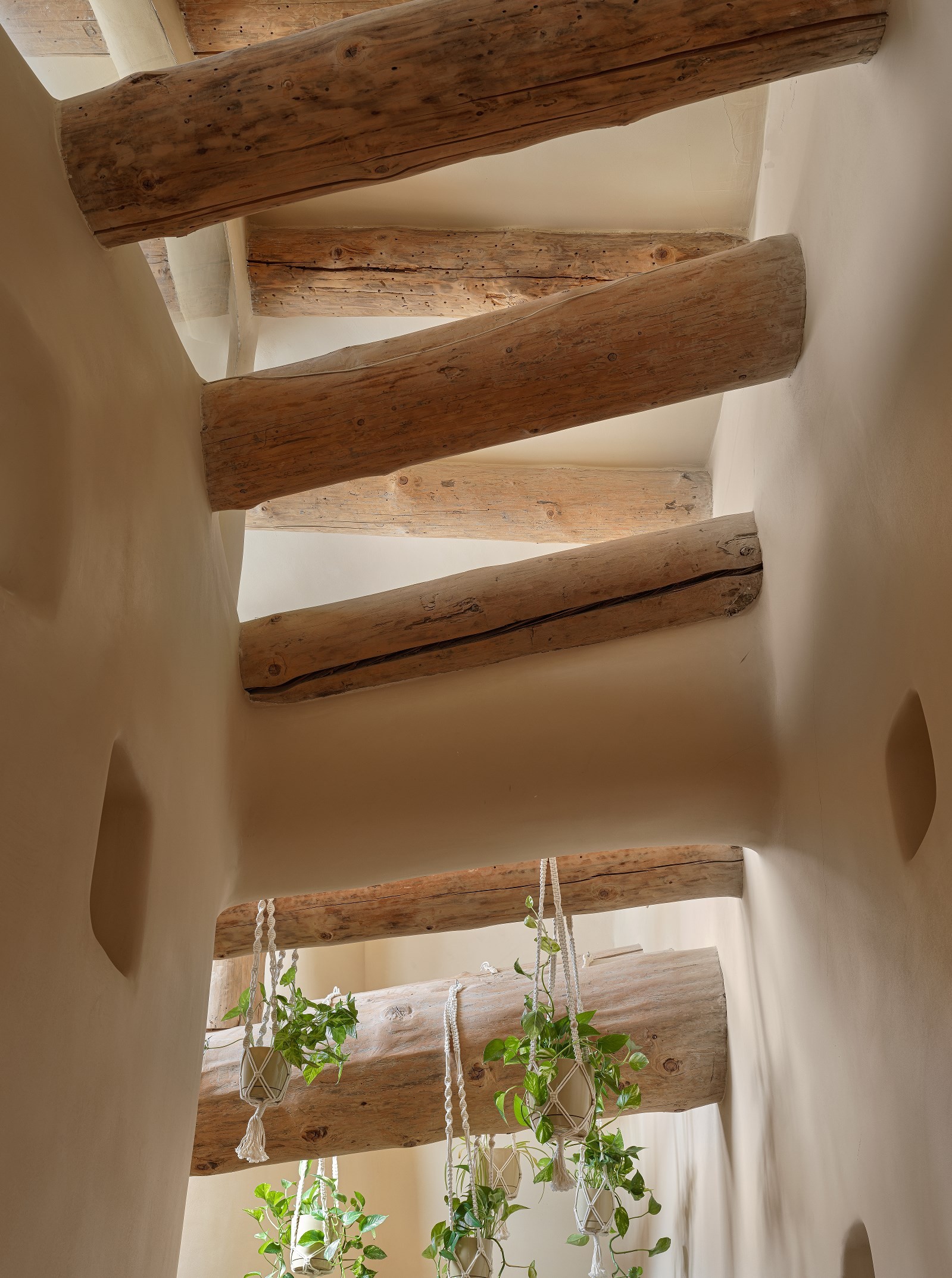
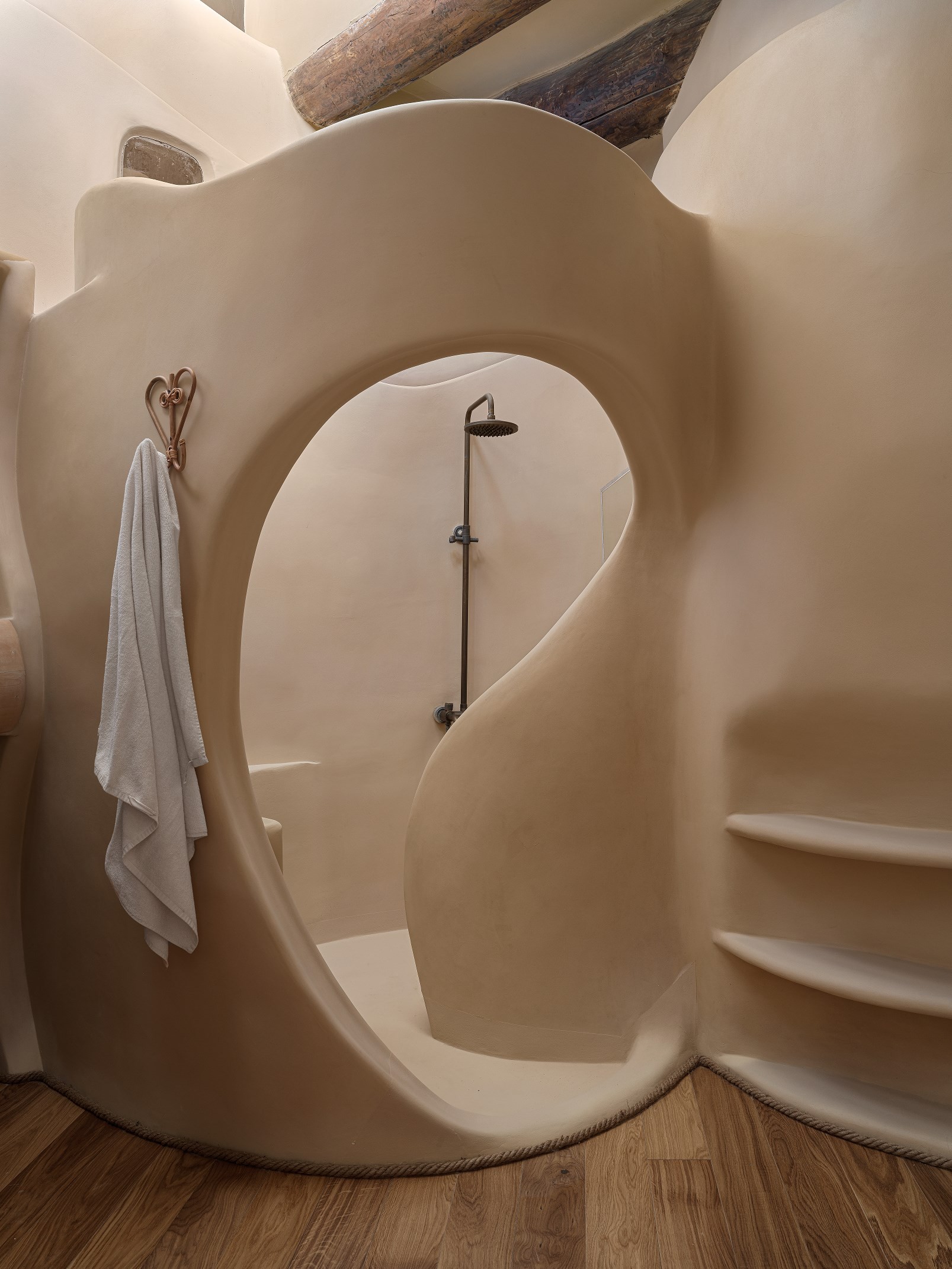
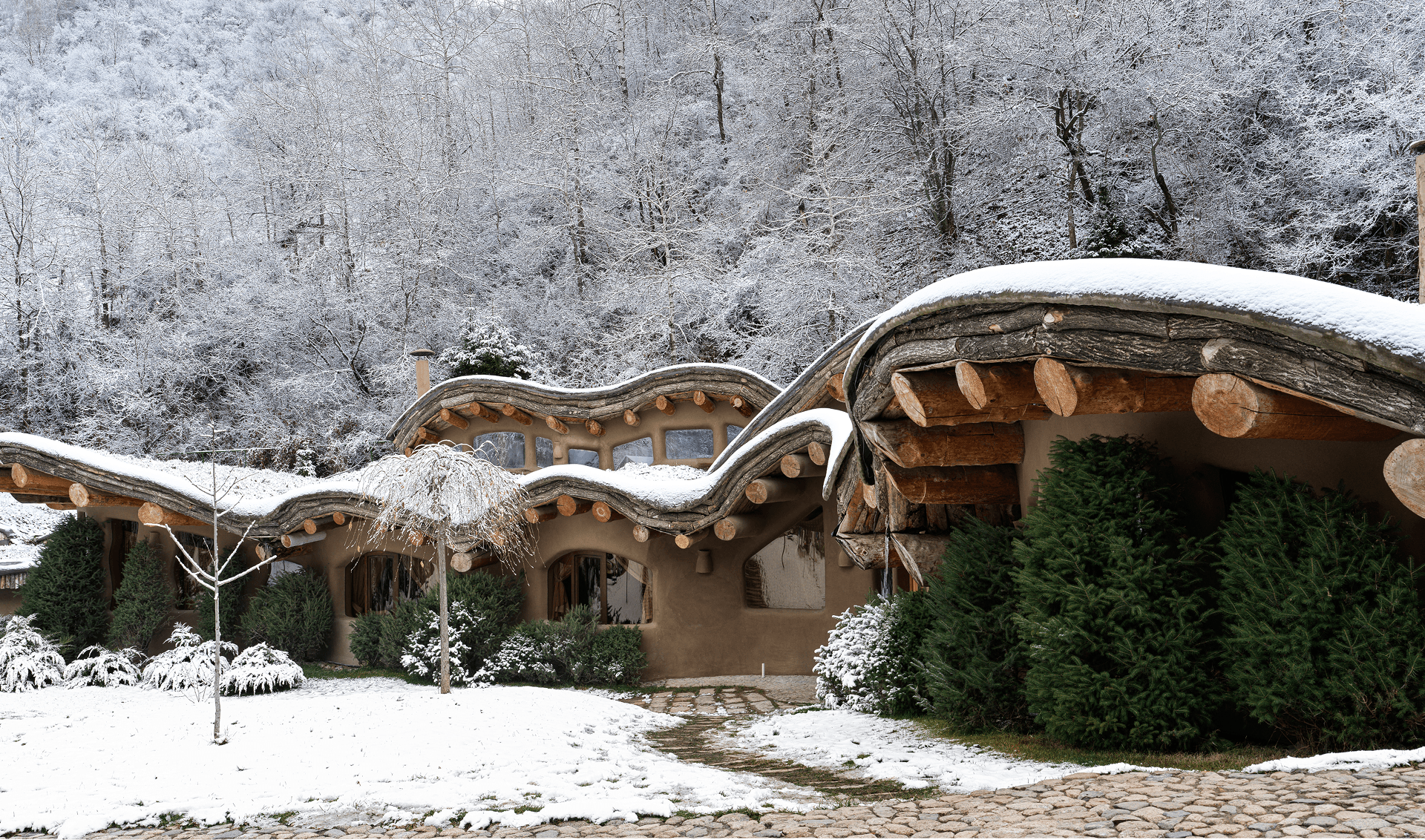
Partially embedded into the slope, it is thermally stable, acoustically calm, and visually inseparable from its surroundings. Many visitors describe the first impression in similar words: quiet, warm, alive.
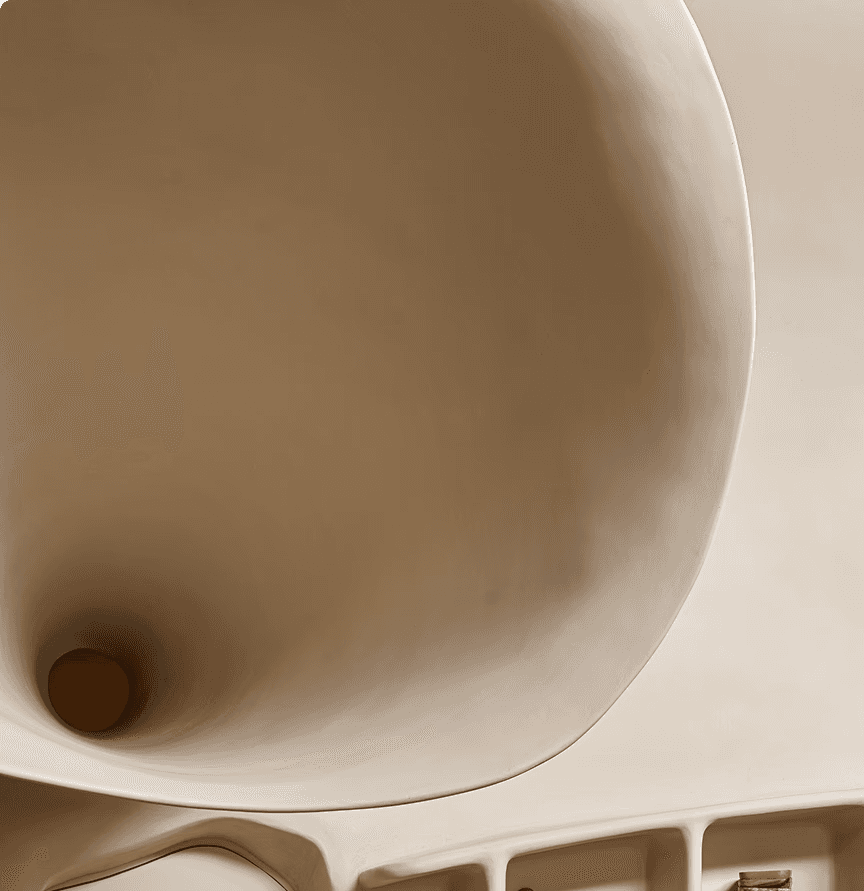
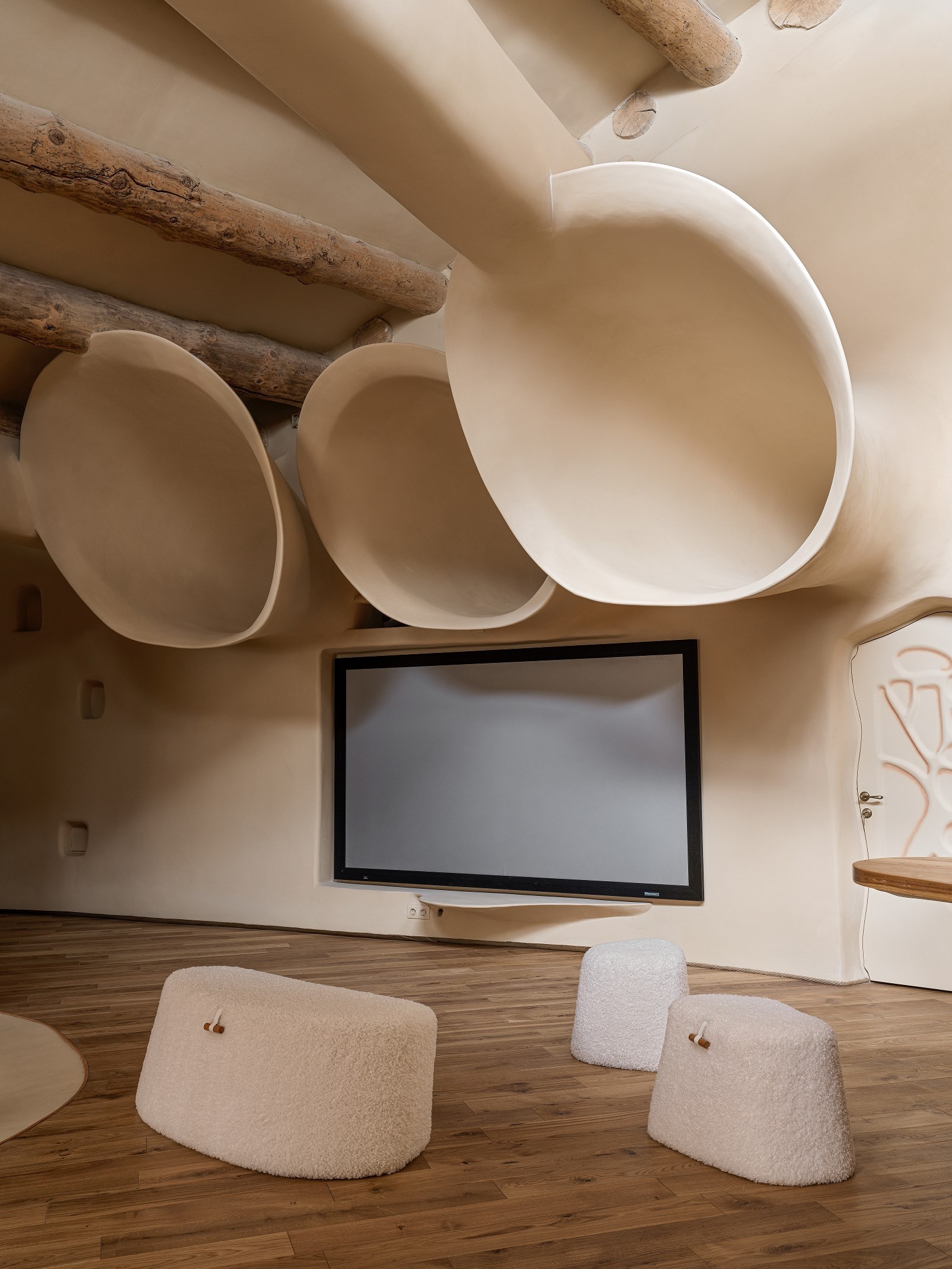
Sound was never added to this house. It was considered from the beginning. Small horn structures are integrated directly into the architecture — not as equipment, not as objects, but as sculptural extensions of the space itself. They do not demand attention. They do not announce their purpose. They simply exist, as part of the room’s geometry.
Music in this house does not project outward.
It settles.
It fills the curves.
It breathes with the walls.
The absence of parallel surfaces, sharp angles, and rigid planes creates a natural acoustic environment where sound feels unforced, tactile, and spatially coherent. Listening here feels less like playback — and more like presence.
In a world of polished surfaces and engineered experiences, this house stands apart. It reminds us that: architecture can be tactile and emotional, sound can be spatial and humane, technology can disappear into form, and listening can once again become a human act.
